Must-Have Enterprise Features for an Employee Referral Program
October 23, 2024
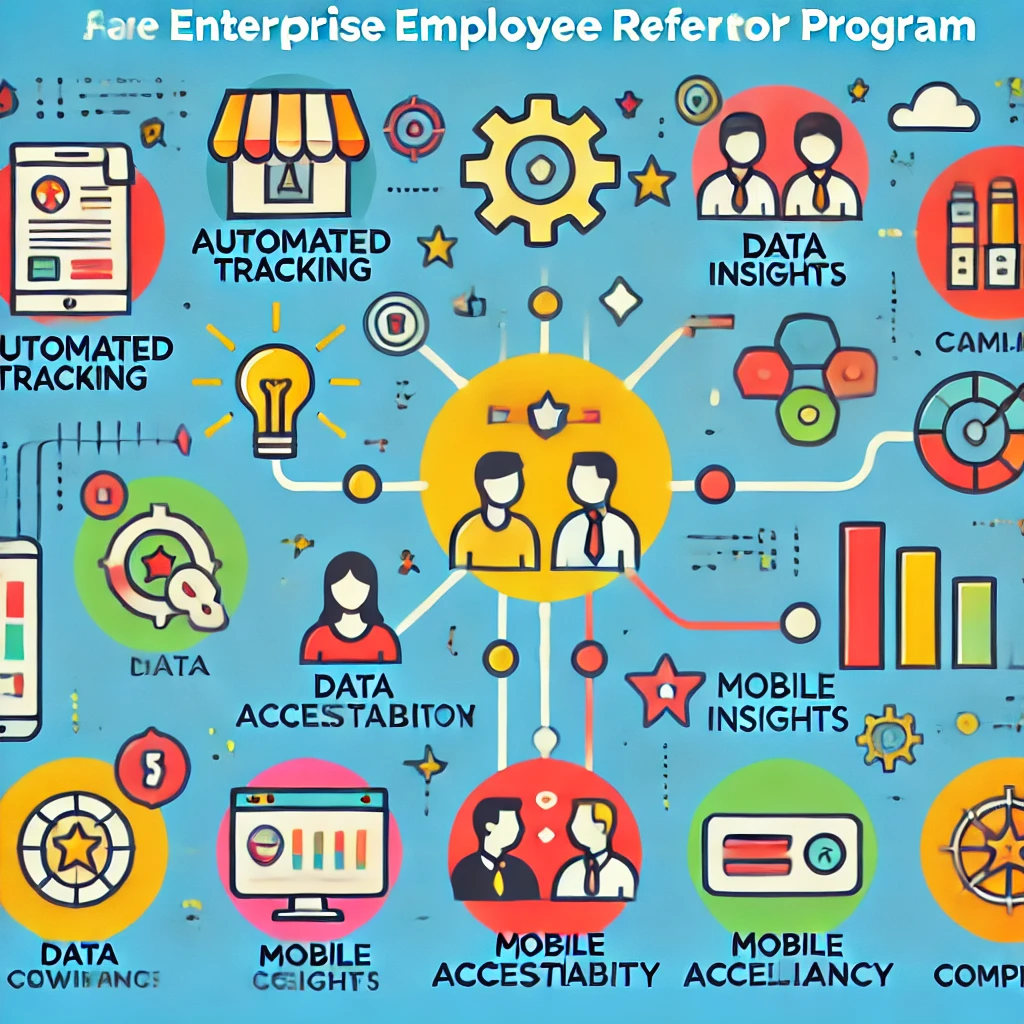
An employee referral program is one of the most effective ways for enterprises to recruit high-quality candidates, as it leverages the networks and endorsements of current employees. However, scaling a referral program to meet the demands of a large organization requires more than just a simple referral submission process. Below are the must-have features for a robust enterprise employee referral program that not only drives results but also enhances the employee experience.
1. Automated Referral Tracking and Management
In a large organization, managing hundreds or even thousands of referrals can be overwhelming. An automated tracking system is crucial to streamline the referral submission process, monitor the progress of referrals, and ensure none fall through the cracks. This feature should include:
- End-to-End Tracking: From submission to hire, employees should be able to see the status of their referral.
- Automated Notifications: Keep employees informed with real-time updates on their referrals’ progress, ensuring they remain engaged.
- Integration with Applicant Tracking Systems (ATS): Seamless integration with an ATS allows for a smooth flow of referral data, reducing manual work and ensuring transparency across hiring teams.
2. Referral Gamification and Recognition
Enterprise programs thrive when there’s a strong employee buy-in. Gamification and recognition features add an element of competition and reward that can drive participation. Key components include:
- Leaderboard and Badges: Highlight top referrers within the organization to inspire healthy competition and engagement.
- Points-Based System: Allow employees to earn points for every referral submitted, interviewed, or hired, which can be redeemed for rewards.
- Public Recognition: Acknowledge successful referrers in company-wide announcements or events to motivate others.
3. Flexible and Tiered Rewards System
A one-size-fits-all approach doesn’t work for enterprise-scale referral programs. A flexible rewards system can cater to different types of roles and markets within the organization.
- Tiered Rewards: Offer higher rewards for more difficult-to-fill roles, senior positions, or specific departments.
- Multiple Reward Options: Employees should be able to choose between cash bonuses, gift cards, experiences, or donations to charities. Providing options enhances the program’s appeal.
- Instant Rewards: For organizations with long hiring cycles, offering smaller rewards at different stages of the hiring process can keep employees motivated to refer more candidates.
4. Mobile Accessibility
Modern employees expect to access programs from anywhere, at any time. A mobile-friendly platform or app allows employees to submit referrals directly from their smartphones, improving engagement across the board. Key features include:
- Easy Referral Submission: A user-friendly mobile experience that allows employees to submit referrals within minutes.
- Referral Status Tracking on the Go: Employees should be able to check the progress of their referrals and receive notifications from their mobile devices.
5. Data-Driven Insights and Reporting
To optimize your referral program and ensure ROI, you need data-driven insights that give visibility into program performance. Enterprise-grade referral programs should provide:
- Detailed Analytics Dashboards: Track key metrics like referral-to-hire ratios, time to hire, top referrers, and the quality of hires.
- Custom Reports: Generate custom reports for HR teams, hiring managers, and executives to keep them informed about the program’s impact.
- Predictive Analytics: Leverage AI-driven insights to identify which employees or departments are likely to generate high-quality referrals, and adjust recruitment strategies accordingly.
6. Compliance and Security Features
Enterprise organizations deal with complex legal requirements, and compliance is paramount. Your referral platform must ensure:
- GDPR/CCPA Compliance: Ensure that referral data is handled in compliance with regional data protection regulations, with transparent data collection and storage practices.
- Secure Data Handling: The referral platform must have strong security protocols, such as encryption, to protect employee and candidate data from breaches.
- Equal Opportunity Enforcement: Automatically ensure all candidates, including those referred, go through the same fair hiring process to meet compliance with anti-discrimination laws.
7. Scalability for Global Teams
For enterprises with a global workforce, scalability is essential. Your referral program should cater to employees across different countries and regions, offering:
- Multi-language Support: Ensure the platform is accessible to employees in their preferred language.
- Localized Rewards: Offer rewards that are relevant and valuable to employees in various countries, such as country-specific gift cards or experiences.
- Timezone Adjustments: Program notifications and activities should account for employees working in different time zones to ensure no one misses important updates.
8. Seamless Integration with HR Technology
Enterprise referral programs should be designed to integrate seamlessly with other HR technology systems, such as:
- HR Information Systems (HRIS): For easy management of employee data and automation of referrals tied to new hires.
- Learning Management Systems (LMS): Provide referrers with training on how to identify strong candidates and maximize the success of their referrals.
- Performance Management Systems (PMS): Link referral participation to performance reviews or other employee recognition platforms to drive engagement.
Conclusion
Scaling an employee referral program for enterprise needs requires features that balance automation, engagement, and flexibility. From gamification and mobile accessibility to data-driven insights and compliance, having the right tools in place can turn your employee referral program into a powerful recruitment engine. By implementing these must-have features, enterprises can build a referral program that not only attracts top talent but also fosters a culture of employee participation and recognition.