
Webinar: Boost Engagement and Retain Top Talent with ERIN’s New Employee Recognition Platform
September 19, 2024
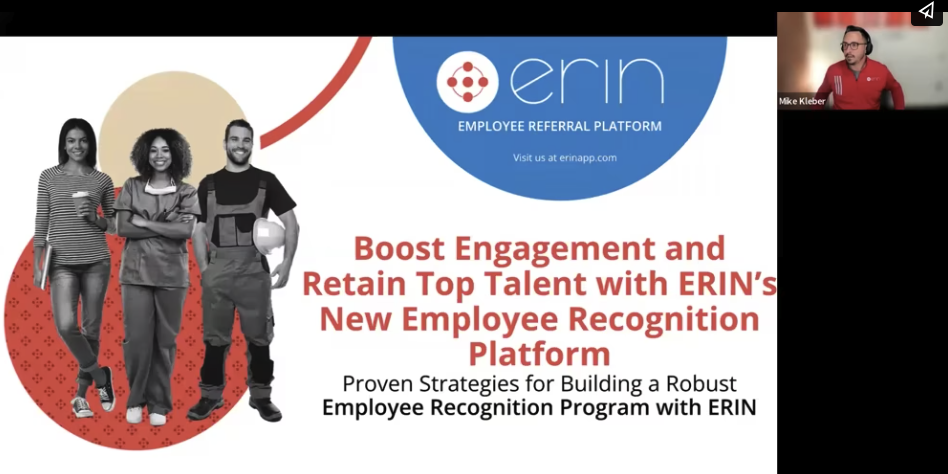
Boost Employee Engagement and Retain Talent: Proven Strategies for Employee Recognition Programs
In today’s competitive job market, retaining top talent and fostering a positive workplace culture are critical for organizational success. A well-designed employee recognition program can make all the difference. Not only does it boost employee engagement, but it also drives retention, morale, and overall productivity. Let’s dive into the science behind employee recognition, its business impact, and strategies for creating an effective recognition program.
The Psychology of Employee Recognition
Recognition is more than just a pat on the back—it taps into fundamental human psychology. When employees are acknowledged for their contributions, it activates the brain’s reward system, releasing dopamine, which promotes feelings of pleasure and motivation. This neurochemical reaction reinforces positive behaviors, encouraging employees to continue excelling in their roles.
Public recognition further triggers the release of oxytocin, also known as the “bonding hormone,” which strengthens team cohesion and improves workplace relationships. Recognizing employees can even reduce stress levels by lowering cortisol, the hormone responsible for stress. Lower stress means improved cognitive function, decision-making skills, and overall job performance. In short, recognition positively impacts both the emotional and mental well-being of employees.
The ROI of Employee Recognition Programs
Investing in employee recognition isn’t just a feel-good initiative—it directly impacts the bottom line. High turnover rates can devastate an organization, affecting productivity, team morale, and institutional knowledge. Here’s a breakdown of the cost of replacing employees:
- Entry-level employees: 30-50% of their annual salary.
- Mid-level employees: 50-150% of their annual salary.
- Executives: 200-400% of their annual salary.
For example, a company with 8,500 employees experiencing a 50% turnover rate can face replacement costs upwards of $4.25 million annually. Reducing turnover by even 5% could save over $200,000, while a 20% reduction could save $850,000. Clearly, recognizing employees has a substantial return on investment.
Aligning Recognition with Business Goals
For a recognition program to be effective, it must align with broader business objectives. Here are three key goals that a well-structured recognition program can support:
- Improving Retention: Employee recognition programs have been scientifically proven to increase satisfaction and retention. By showing employees they are valued, companies can retain top talent who might otherwise look for opportunities elsewhere.
- Enhancing Workplace Culture: A culture of recognition fosters an environment where achievements and contributions are celebrated. This positive atmosphere promotes collaboration and engagement across the workforce.
- Increasing Revenue: Reduced turnover means higher productivity and fewer disruptions to revenue-generating activities. The savings from reduced turnover costs can be reinvested into employee development programs, further boosting company performance.
Best Practices for Implementing an Employee Recognition Program
When building a recognition program, it’s essential to ensure that it aligns with company values and that it is inclusive, transparent, and timely. Here’s how:
- Align with Company Values: The recognition program should reflect the organization’s core values. Whether it’s teamwork, innovation, or leadership, recognition should reinforce behaviors that contribute to the company’s mission and goals.
- Create Transparent Criteria: Clearly define the actions or achievements worthy of recognition, and make this criteria accessible to all employees. This ensures fairness and avoids perceptions of favoritism.
- Ensure Inclusivity: Recognition should be accessible to all employees, regardless of their position, department, or location. Additionally, it’s important to recognize a wide range of contributions, from daily efforts to major accomplishments.
- Provide Timely Recognition: Immediate recognition reinforces positive behavior and maximizes its impact. Frequent recognition (rather than waiting for annual reviews) keeps employees motivated and engaged.
- Personalize Recognition: Tailor recognition to individual preferences. Some employees may prefer public acknowledgment, while others may appreciate a private message. The rewards should also be meaningful, whether they are verbal praise, professional development opportunities, or tangible gifts.
Continuous Improvement and Sustainability
Once a recognition program is in place, continuous monitoring and improvement are key. Track success through engagement surveys, retention rates, and employee feedback. Regularly review and refine the program to ensure it remains relevant and effective as company goals evolve.
For long-term success, it’s essential to embed recognition into the daily operations and culture of the company, ensuring it’s not seen as a standalone initiative but as a natural part of how the organization operates.
Final Thoughts
Employee recognition is a powerful tool that fosters engagement, improves retention, and enhances overall workplace culture. It not only helps create a positive working environment but also contributes to business success. With the right strategies, companies can harness the power of recognition to build a stronger, more engaged workforce.
As Ian Hutchinson said, “Employee engagement is an investment we make for the privilege of staying in business.”